

Essential Listening for Hispanic Heritage Month
All Classical Radio is proud to celebrate the cultural contributions of Hispanic artists every day on air. New and longtime listeners alike know that the works of Hispanic composers and musicians are deeply ingrained in the legacy of classical music. In recognition of Hispanic Heritage Month, we’re diving into seven essential listening pieces of music written by Hispanic composers that you’re likely to hear on our daily playlists.
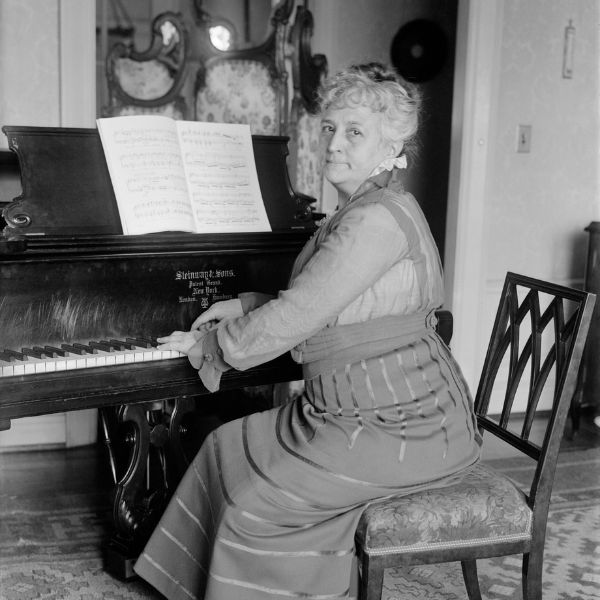
Souvenirs de mon pays by Teresa Carreño (1853-1917)
Pianist, singer, and composer Teresa Carreño was born in Venezuela but spent most of her upbringing in the U.S. and in Europe. Earning the nickname “Valkyrie of the piano,” Carreño wrote dozens of works for the keyboard instrument, most of which she intended to perform herself in concert.
Despite leaving her native country at a young age, Carreño maintained a strong connection to her heritage, as evidenced in her nocturne, Souvenirs de mon pays (Memories of My Country). This nostalgic piece doesn’t explicitly use Venezuelan musical influences; instead, it captures Carreño’s longing for her homeland through the lens of classical traditions.
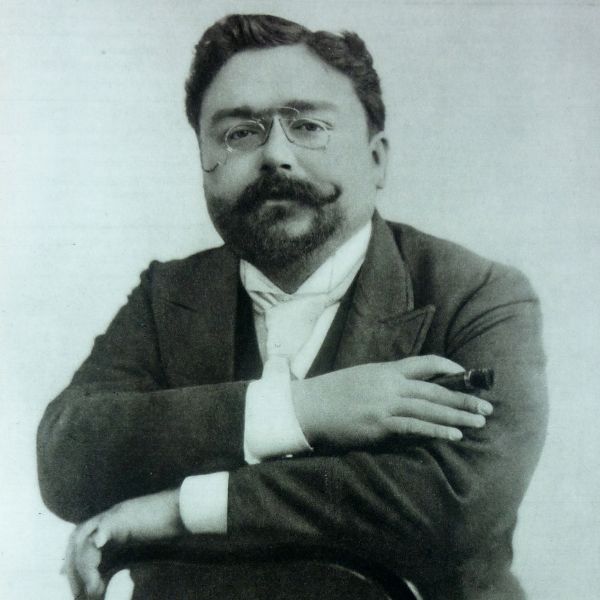
Asturias (Leyenda) by Isaac Albéniz (1860-1909)
Spanish composer and piano prodigy Isaac Albéniz devoted his career to writing music rooted in Spanish culture. Many of his best-known works reference specific Spanish locales, including his Suite Española No. 1, where each piece is inspired by a specific region. The suite’s most famous movement, Asturias, has a murky backstory.
Originally called “Prelude,” Asturias was only added to Suite Española after Albéniz’s death—the composer likely never intended to publish it with the other works. Publishers also assigned it the new title “Asturias,” suggesting the northwestern region of Spain, along with the subtitle “Leyenda” (legend). However, for listeners, the piece is much more evocative of Andalusian flamenco.
Asturias is most commonly heard today as a work for guitar. Albéniz’s original piano writing imitated the sound of a guitar, so arranging it for the string instrument was a natural fit.
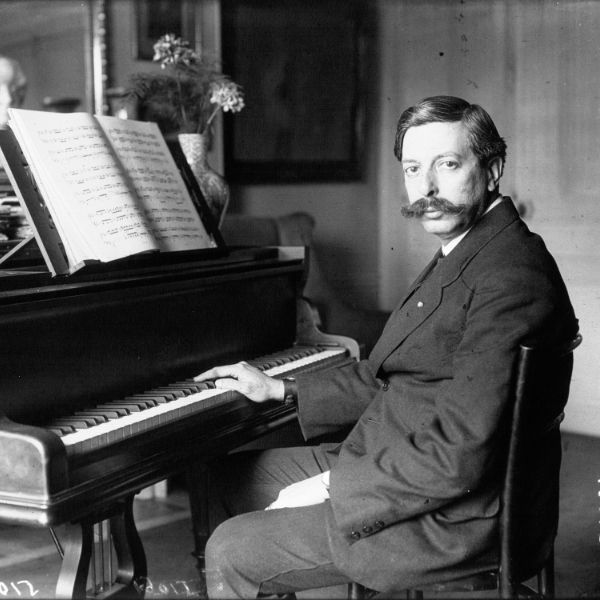
Goyescas by Enrique Granados (1867-1916)
Enrique Granados was a Spanish pianist and composer whose music was largely overlooked during his lifetime. Nonetheless, many of his works have since risen to prominence among classical musicians, including his piano suite Goyescas.
Inspired by the paintings of Francisco Goya, this suite embodies the essence of Goya’s artwork. Of the six pieces included in the suite, only two specifically depict Goya paintings: “Tal para qual” (Two of a Kind) and “El amor y la Muerte” (Love and Death). A few years after the piano suite’s premiere, Granados adapted the work into a one-act opera, which debuted at the Metropolitan Opera paired with Leoncavallo’s Pagliacci.
Fun fact: the premiere of the Goyescas opera was the first time a Spanish work had been performed at the Met.
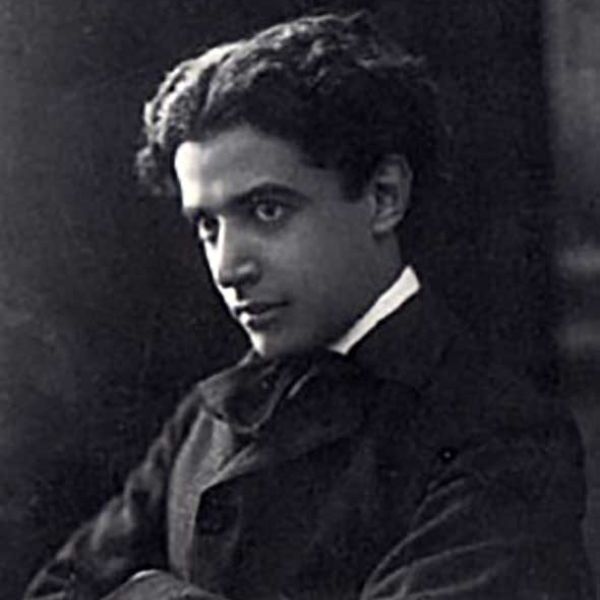
Estrellita by Manuel Ponce (1882-1948)
“Little star who shines so bright in Heaven,
who knows about my love and sees my broken heart,
come and tell me if my dear one loves me,
life is sad and desolate when we are apart.”
As a leading composer of his time and a respected scholar of Mexican music, Manuel Ponce helped shape a Mexican national style of classical music. His studies took him to Italy, Germany, and France, which considerably shaped his musical voice.
One of his most famous works, Estrellita (Little Star), is a tender love song originally written for voice and piano—Ponce wrote the text himself! The piece’s soaring melody lends itself well to transcriptions for many instrumental variations, including the violin and piano version below.
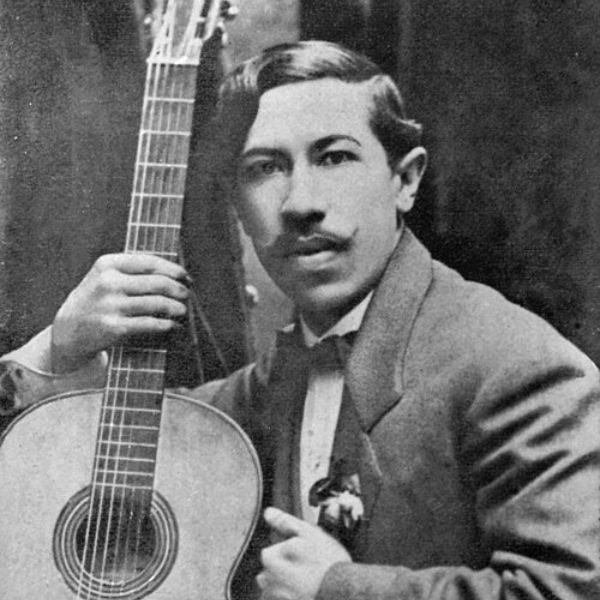
La catedral by Agustín Barrios (1885-1944)
Born in Paraguay, Agustín Barrios was a guitarist and composer who lived across South and Central America during his career and was heavily influenced by a wide range of traditional music. While he wrote hundreds of works for guitar, his most revered work is La catedral (The Cathedral).
Composed of three movements, Barrios’s expressive guitar piece drew on two main sources of inspiration: the bells of the Cathedral of San José in Montevideo, Uruguay, and the music of Johann Sebastian Bach. In this piece, following a nostalgic prelude, you will hear the chime of the cathedral’s bells, followed by the imitation of an organist practicing Bach.
Huapango by José Pablo Moncayo (1912-1958)
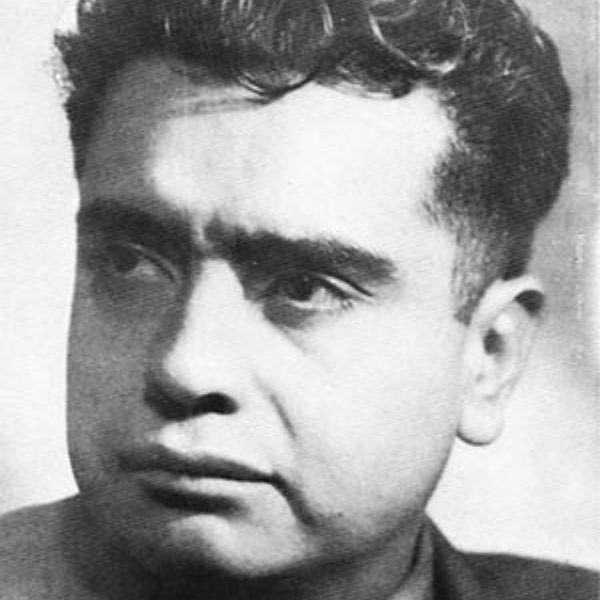
Mexican composer José Pablo Moncayo played a significant role in fostering Mexican classical music in the 20th century. One example is his orchestral masterpiece, Huapango (“Folk Dance”).
Carlos Chávez, Moncayo’s teacher and fellow composer, commissioned Moncayo to write a work inspired by the music of the Veracruz region of Mexico. For Huapango, Moncayo chose three distinct Veracruz folk melodies he heard on a recent trip to the region: “El siquisirií,” “El balajú,” and “El gavilán.”
Libertango by Astor Piazzolla (1921-1992)
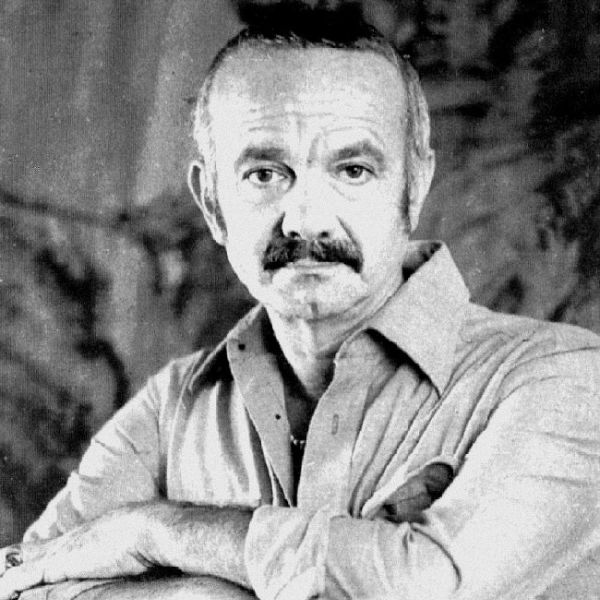
Argentinian-born composer and bandoneon player Astor Piazzolla is largely responsible for bringing tango to the international stage. Encouraged by his teacher, Nadia Boulanger, Piazzolla created a unique blend of tango influenced by classical and jazz called “tango nuevo,” represented in one of his most famous works, Libertango.
A portmanteau of “libertad” (freedom) and tango, this piece uses traditional tango instruments such as the bandoneon alongside piano, strings, percussion, and electric guitar – a true aural fusion. Many arrangements for various other musical combinations have since been made.
More posts from the Arts Blog celebrating Hispanic Heritage Month:
- Latin American Contemporary Icons to Celebrate National Hispanic Heritage Month (ICAN Radio)
- Six Composers We’re Celebrating for National Hispanic Heritage Month
- Five Composers You Need to Know for National Hispanic Heritage Month
- Hispanic Composers in America
Read other posts by Rebecca Richardson


