

At All Classical Radio, we love sharing our diverse and ever-expanding playlists with listeners near and far. As part of our mission to advance knowledge of and appreciation for classical music, we’ve crafted a resource for listeners curious to learn more about this beloved genre: All Classical Radio’s Music Glossary.
Have you ever wondered why classical music is referred to as a “work” or “piece” rather than a song? Do you want to understand what differentiates classical music from other genres and what aligns with music heard around the world? With this glossary, we will answer these questions and more to help you feel more confident about and connected to the music you love.
Ready to start exploring?
Foundational Music Terms
Terms that provide a basic understanding of what classical music is, how it’s talked about, and how it’s organized.
Classical Music
In Western culture, classical music means music rooted in long-established European sacred and secular traditions. The term “classical” is meant to distinguish the musical genre from popular music.
When referring to classical music, it is important to differentiate between classical with a lowercase “c” and Classical with an uppercase “C.” The lowercase “c” generally refers to the definition above. An uppercase “C” refers to the Classical Era of music, which lasted from approximately 1750 to 1820, featuring composers such as Mozart and Haydn.
Piece / Work vs. Song
In classical music, a composition in its entirety is referred to as a piece or work, regardless of the length or number of movements. “Song” refers specifically to a genre within classical music called Art Song. An art song is a short(ish) piece of vocal music independent of a staged work (such as an opera) and performed in a recital setting.
For example, Franz Schubert’s song cycle, Winterreise, is a piece or work. However, individual works within the cycle, such as “Gute Nacht” (Good Night), are songs.
Symphony Orchestra vs. Philharmonic Orchestra
Symphony Orchestra and Philharmonic Orchestra mean the same thing! Both comprise large musical ensembles representing the four main instrument groups (strings, woodwinds, brass, and percussion), and both play orchestral repertoire.
The word “symphony” comes from the Greek word symphonia, which means “sound together.” “Philharmonic” comes from two Greek words, philos and harmonikos, which together mean “love of harmony.”
Movement
A movement is an independent section within a larger composition. A symphony, for example, often contains four movements, each with its own character, speed, and dynamic level. Dynamics are discussed in more detail below.
Opus
Opus is derived from Latin, meaning “work.” An opus is a composition or set of compositions. A composer’s opus is numbered either in order of the date it was written or in order of the date it was published (or sometimes a combination of the two). For example, a composer’s works may be numbered in order of the date they were written while the composer was living, while pieces discovered posthumously may continue by publication date.
Key
The key is the group of notes that form the harmonic foundation of a piece of music and belong to one scale (a specific sequence of notes). Notes that travel outside the key or scale may create tension or dissonance in the music.
Melody & Harmony
A melody is an organized sequence of notes considered to be at the forefront of a piece of music. This is typically the part of a composition that the listener will remember and hum from time to time.
W. A. Mozart’s Rondo alla Turca features one of the most recognizable melodies in classical music.
Harmony refers to two or more notes played simultaneously to support the melody’s musical progression. In this video of Rondo alla Turca, the pianist’s left hand is providing the harmony.
Theme
Much like the theme of a book or piece of art, a theme in music is the subject of a work—the idea upon which a piece of music is written.
For instance, in her Gaelic Symphony, Amy Beach uses old Irish melodies as themes, inspired by her Anglo-American heritage.
Motif
A motif (pronounced “moh-TEEF”) is a small recurring unit in a piece of music that holds thematic significance. A motif is often, but not always, shorter than a theme.
For example, the repeating four-note pattern in the first movement of Beethoven’s Symphony No. 5 is a motif.
Cadence
A compositional method of resolving a musical phrase–the musical version of punctuation. Cadence comes from the Latin word cadere, meaning “to fall.”
Expressive Music Terms
Terms that instruct musicians on how to play the notes and on the composer’s musical vision.
Tempo
Tempo is the speed of a piece of music. Tempo can also indicate the mood in which a piece, or a section of a piece, should be played. In classical music, tempo is usually indicated in Italian at the beginning of a score. In modern classical pieces, this word may be replaced by a metronome mark in beats per minute (bpm).
Tempo markings provide a general “feel” to the tempo of a piece. Tempo does not have to be fixed; it can change within a piece of music. Some examples of tempo markings are:
- LARGO – Very slowly and broadly. Translates to “wide” or “broad;” similar tempo to Lento but with a sense of expansiveness.
- ADAGIO – Slowly and stately, “at ease.”
- ANDANTE – Moderately slow and sometimes described as “at a walking pace.”
- MODERATO – Translating to “moderate,” this term implies a medium-paced tempo typically ranging from 108-120 bpm.
- ALLEGRO – A faster tempo that translates to “cheerful.”
- VIVACE – A fast and brisk tempo that translates to “lively.”
- PRESTO – The fastest tempo marking that can be described as rapid, quick, and immediate.
Dynamics
Dynamics are markings in a score that indicate the volume at which notes or phrases within a piece of music should be played, such as:
- p [piano] – played softly.
- f [forte] – played loudly.
- Crescendo – Increasing in volume.
- Decrescendo – Decreasing in volume.
Articulation
Similar to the way we articulate our words, composers and musicians use articulation markings to indicate how notes should be played. Each marking can affect the start or “attack” of a note, the end or “release,” and the overall length and connection to and from the next note.
Articulation markings are usually placed above or below a note or phrase in written music. Here are some examples:
- STACCATO – Meaning “detached.” Notes are played short and disconnected, creating a detached, buoyant, and crisp sound. In music, it is marked as a dot above or below the note.
- LEGATO – Meaning “tied together.” Notes are played smoothly and connected. Legato articulation is played or sung in the same breath/bow stroke.
- ACCENT– A note played with more emphasis compared to notes without an accent. This can be achieved by playing the note louder with more “front” to the start of the note. An accent looks like “>” above or below a note.
Instrumental Music Terms
Terms related to instrumental music, including popular genres you are likely to encounter while listening to classical music.
Symphony
An elaborate musical composition for an orchestra, typically in four movements. Out of all classical music works, symphonies are the longest, the most complex, and involve the most instruments. The word “symphony” comes from the Greek word symphonia, which translates to “sound together.”
Concerto
A musical composition that is similar to a symphony but written for a featured soloist and orchestra. A concerto is traditionally written in three movements.
Overture
An orchestral piece at the beginning of a play, opera, oratorio, or extended composition that sets the scene for the action to come. Sometimes, an overture can be written as a stand-alone, single-movement orchestral piece.
Chamber Music
Music written for smaller instrumental ensembles, maybe just one or two musicians per instrument, such as a string quartet, piano trio, or wind quintet.
The word “chamber” refers to the genre’s origin as music for private rather than public settings, such as concert halls.
Program Music
Instrumental music that carries some extra-musical meaning, such as a literary tale, a famous legend, or a scenic description. Fun fact – Vivaldi’s The Four Seasons was one of the earliest examples of program music.
Example: Rimsky-Korsakov’s Scheherazade, based on One Thousand and One Nights
Prelude & Fugue
A prelude is a short piece of music that serves as an introduction to another piece or movement.
A fugue is a composition in which a short melody or phrase is introduced by one player or instrumental section, successively taken up by others, and developed by interweaving the parts.
In classical music, these two musical forms are often paired in a two-movement format, as seen in J. S. Bach’s The Well-Tempered Clavier.
Suite
A set of instrumental works organized in a particular order. Historically, a suite comprised a set of specific dances (Handel’s Water Music suites, for example). However, since the 19th century, suites have expanded to encapsulate a set of pieces with a common theme (such as Ferde Grofé’s Grand Canyon Suite), or a condensed set of movements from a larger work (such as Ravel’s Daphnis et Chloé suites).
Sonata
Over centuries of development, the sonata has taken on two meanings in classical music:
- A solo instrumental piece comprised of several movements, such as Beethoven’s Piano Sonata No. 8 in c minor, “Pathétique”
- A musical form consisting of an exposition, development, and recapitulation and used in one movement of a larger, multi-movement work, such as the first movement of Mozart’s Symphony No. 41, “Jupiter.”
Rondo
A musical form where a refrain or theme is introduced and subsequently returns throughout the piece. The music written between iterations of the refrain differs.
Example: Beethoven’s Für Elise is written in an A-B-A-C-A rondo form (“A” represents the refrain).
Basso Continuo
A form of accompaniment used during the Baroque Era, where a keyboard instrument harmonically elaborates on a bass line through improvisation. During this time, composers often wrote only the bass line in the score (typically played by a cellist or bassoonist), leaving the full harmonic accompaniment unspecified. The keyboard would then flesh out said bass line into a fuller harmonic foundation.
Basso continuo (continuous bass) is also referred to as “figured bass” or simply “continuo.”
Vocal Music Terms
Terms related to vocal music, including popular genres, styles, and other words you’re likely to hear when describing singing.
Opera
A theatrical performance that is entirely (or mostly) sung throughout, accompanied by either an orchestra or chamber ensemble. An opera is essentially a play where the actors’ lines are sung rather than spoken. The music in an opera increases the stakes and adds additional emotional depth, making operatic plots highly dramatic.
Example: Puccini’s La bohème
Operetta
A short opera, usually with a light or humorous plot and includes spoken dialogue in between musical numbers. Operetta was immensely popular during the second half of the 19th century and contributed to the evolution of musicals.
Example: Johann Strauss II’s Die Fledermaus
Oratorio
A musical work for voices and orchestra, typically based on religious subject matter. Oratorio differs from opera in that it’s performed without the use of scenery, costumes, or staging.
Example: Georg Friedrich Handel’s Messiah
Cantata
A multi-movement piece for voice(s) and instrumental ensemble written for a concert or church performance. Like an oratorio, a cantata is performed without the use of scenery, costumes, or staging, but is a smaller-scale production than an oratorio. If the instrumental counterpart to an opera or oratorio is a symphony, the instrumental counterpart to a cantata would be chamber music.
Example: J. S. Bach’s Cantata BWV 140, “Sleepers Awake”
Aria
A song written for solo voice within an opera, oratorio, or cantata. Arias elaborate on the character’s emotional state at that moment in the story’s plot.
Example: “Nessun dorma” (Let no one sleep) from Puccini’s Turandot, in which Prince Calaf reflects on his determination to win Princess Turandot’s heart.
Libretto
An Italian word meaning “booklet,” referring to the text of an opera or other long vocal work.
Recitative
Sung text in an opera, oratorio, or cantata that furthers the plot and is used primarily for narrative purposes. Recitative is meant to replicate ordinary speech and is interspersed between arias, duets, and other larger musical numbers.
Vocalise
A song without words, pronounced “vocal-eez.” Many vocalises were written as technical exercises for singers, while some composers adopted the concept for works meant to be performed, such as Rachmaninov’s Vocalise.
Vibrato
A style of singing used in classical music in which the voice oscillates between two neighboring pitches. Vibrato comes from the Italian word “vibrare,” meaning “to vibrate.” While vibrato may sound like the singer is manipulating their voice to create waves, it is the result of the vocal folds smoothly vibrating and is 100% natural.
A cappella
Music sung without any instrumental accompaniment.
Ornamentation
Ornamentation is a method of vocally “decorating” notes within a piece of music to emphasize the text as well as differentiate between repeated musical sections. Ornamentation can include adding notes outside of the melody, changing the rhythm of the melody, or changing the dynamics of certain phrases. During the Baroque Era (~1600-1750), ornamentation was a style of vocal improvisation that was expected of skilled singers.
Example: “Lascia ch’io pianga” (Let me weep) from Handel’s Rinaldo utilizes ornamentation when the singer repeats the first section of music at the end of the aria.
Performance Music Terms
Terms specifically related to the performance of classical music.
Concert vs. Recital
Concerts and recitals are both types of musical performances. A classical music concert can include any large public performance by a musician or a group of musicians.
Recitals, on the other hand, are a bit more specific. A recital is usually performed by a single musician or a small ensemble and is often (though not always) a more intimate experience than a concert, especially when held in a smaller venue.
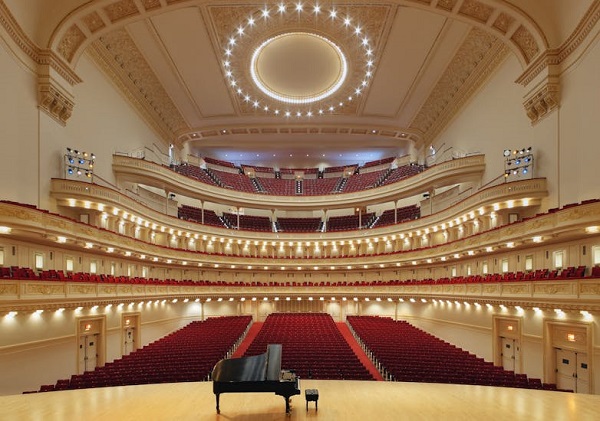
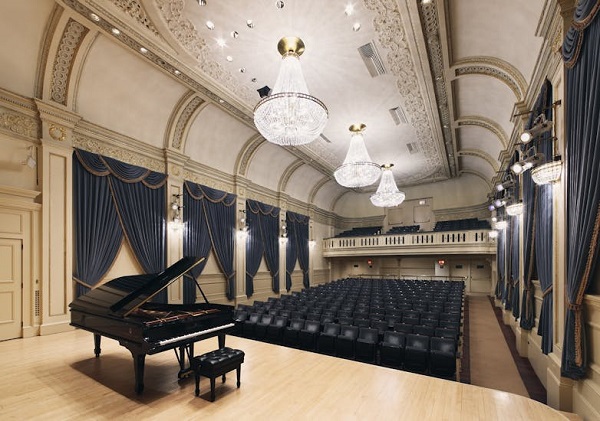
The difference between a concert and a recital can be visualized by two iconic performance venues at Carnegie Hall. Stern Auditorium (top) is a concert hall that seats nearly 2800 audience members and can host performances ranging from soloists to full orchestras. Weill Recital Hall (bottom) is much more intimate, seating 268 audience members, and is best suited for solo musicians or small groups.
Repertoire
A list of compositions that a musician, ensemble, or company is prepared to perform. Repertoire can also refer to a collection of well-known pieces that a musician is expected to have learned, depending on their instrument.
Performance Practice
The performance of music based on researched historical practices for a specific time period, including the use of period instruments, dynamics, articulation, tuning, and ornamentation.
After listening to this recording of Beethoven’s Symphony No. 5 on period instruments, what stands out to you? Do you notice anything distinctive about the performance, such as differences in tempo, articulation, etc.?
“Toi toi toi”
Pronounced “toy,” this phrase is the classical music version of “break a leg.” The phrase originates from the old Yiddish tradition of spitting over your shoulder three times to ward off evil spirits.
Encore
Meaning “again” in French, an encore is an additional piece at the end of a performance as called for by the audience. Concert soloists often prepare one or two unprogrammed pieces to perform at the end of a show as a thank you to the audience.
Historically, audience members would cheer “encore!” immediately after the performance of a particularly spectacular piece in hopes that the soloist would play it again.
Classical Music Eras
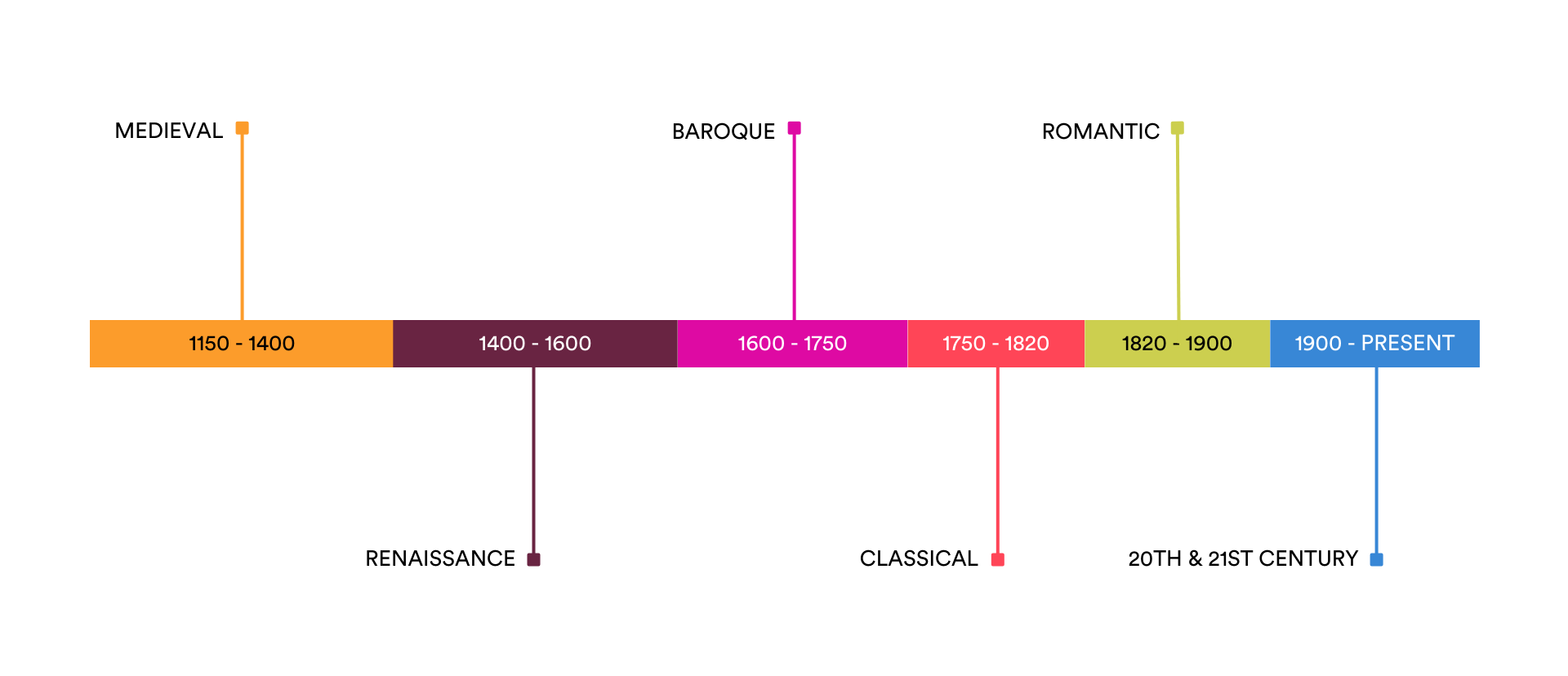
Medieval Era (~1150 – 1400)
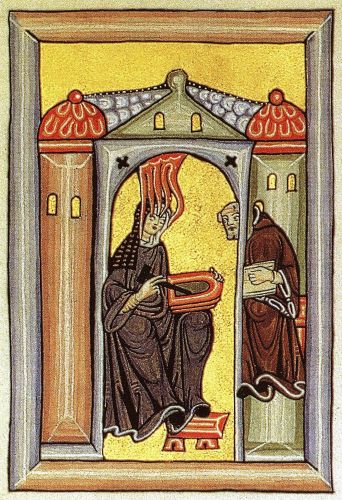
During the Medieval period in Europe, the Catholic Church dominated life; consequently, the Church was the primary patron, educational institution, and concert venue for music. Much of the music from the period we know today, such as chants, masses, and motets, was written by anonymous composers for sacred occasions.
Music also served as entertainment, as it has throughout history, and popular songs crafted by traveling poet-musicians flourished. Unfortunately, Medieval secular music is hard to come by because it was largely improvised and rarely written down.
Composers from this period include Hildegard von Bingen, Guillaume de Machaut, and Jacopo da Bologna.
Gateway piece of music: Sumer is icumen in (Anonymous)
Renaissance Era (~1400 – 1600)
During the Renaissance Era, music played an integral role in all aspects of society. As interests shifted toward humanism and the virtues of antiquity, secular music assumed a more prominent role. By the end of the era, patronage from wealthy individuals matched that of the church, creating a more diverse range of career paths for composers and musicians. Additionally, the invention of the printing press enabled the standardization of music notation and the mass publication of manuscripts.
Broadly speaking, music from the Renaissance Era is characterized by the emergence of polyphony, a style of composition in which several independent melodies are sung (or played) simultaneously.
Composers from this period include Giovanni Pierluigi da Palestrina, Josquin des Prez, Thomas Tallis, and William Byrd.
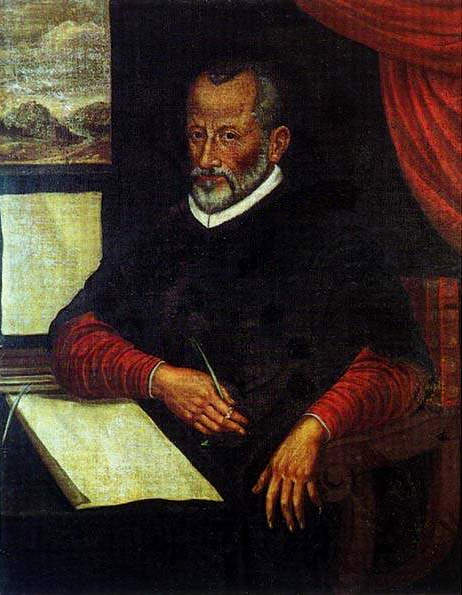
Gateway piece of music: Spem in Alium by Thomas Tallis
Baroque Era (~1600 – 1750)
Much of the musical genres and music terminology we use today were standardized during the Baroque Era. The opera, concerto, oratorio, and cantata were all born during this period. With these genres in mind, it becomes all the more clear why composers of the time wrote music with three primary spheres in mind: the Church, the chamber (or salon), and the theater.
Stylistically, the Baroque Era brought about a new focus on dramatic contrast and ornamentation. Instrumental music became much more prominent, and works written for instrumental ensembles eventually led to the formation of the symphony. Opera was created as an important tool for expressing human emotion through music.
Composers from this period include Claudio Monteverdi, Barbara Strozzi, Antonio Vivaldi, Johann Sebastian Bach, and George Frideric Handel.
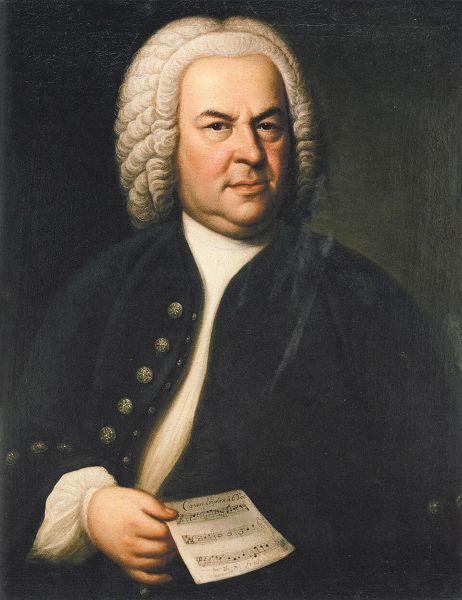
Gateway piece of music: The Four Seasons by Antonio Vivaldi
Classical Era (~1750 – 1820)
The Classical Era coincides with the Age of Enlightenment, a cultural shift towards reason and science. In music, this phenomenon translated into a desire for balance, simplicity, and structural symmetry. Instrumental music continued to take on an even more significant role — the leading musical genres of the period were the symphony, concerto, sonata, and string quartet.
Another important development of the Classical Era was the rise of the public concert hall. Where music performance had previously existed mainly within the confines of the Church or noble household, audiences across the social hierarchy could now access musical performances more easily.
Composers from this period include Christoph Willibald Gluck, Wolfgang Amadeus Mozart, Joseph Haydn, and Ludwig van Beethoven.
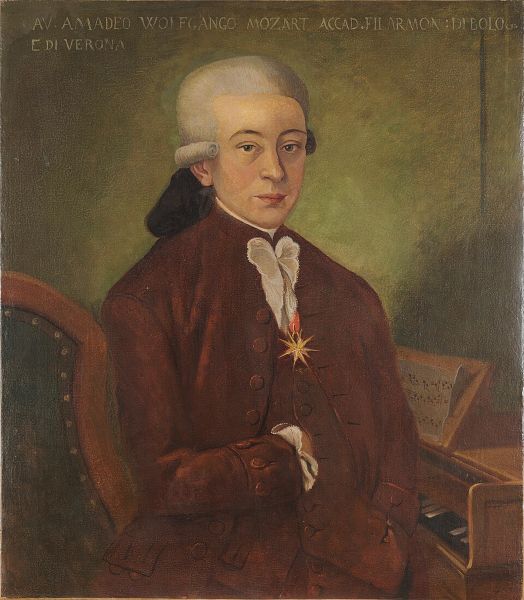
Gateway piece of music: Eine kleine Nachtmusik by W. A. Mozart
Romantic (~1820 – 1900)
During the 19th century, the political and technological revolutions, the calls for nationalism, and the drive for original self-expression in art all contributed to the development of classical music. Composers of this period drew heavily on literature, visual art, and even nature for inspiration.
Orchestral ensembles grew in both the number of musicians and the representation of instrument families, creating a whole new color palette for composers to paint with. Likewise, piano music played a leading role during this period, thanks to significant technological improvements in the instrument. Consequently, the Romantic Era is known for both its advances in large-scale works (e.g., Berlioz’s symphonies, Verdi’s operas) and its intimate pieces (e.g., Chopin’s nocturnes).
Composers from this period include Franz Liszt, Johannes Brahms, Pyotr Ilyich Tchaikovsky, Giuseppe Verdi, and Antonín Dvořák.
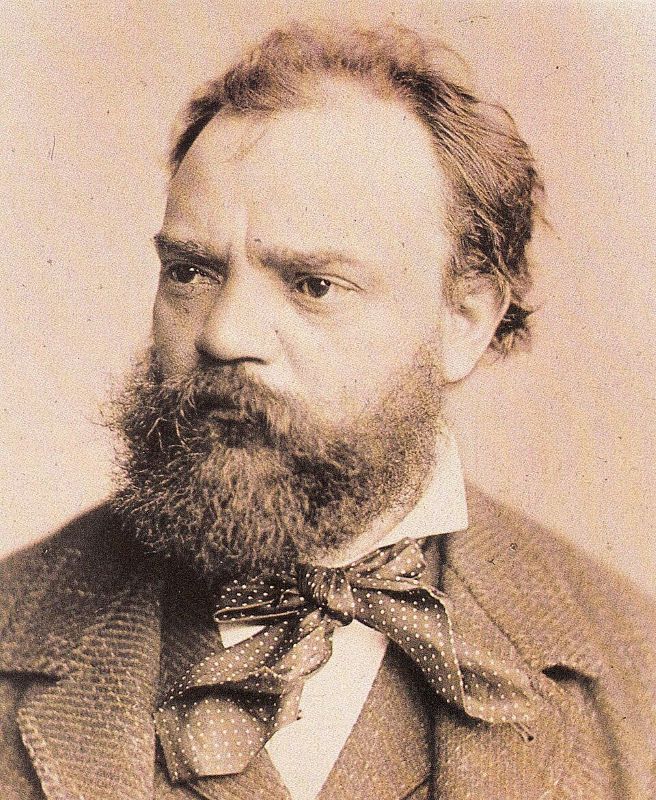
Gateway piece of music: Swan Lake Suite by Pyotr Ilyich Tchaikovsky
20th & 21st Centuries (~1900 – present)
If I had to characterize the last century or so of classical music with one word (or hyphenate), it would be “genre-blending.” Classical music of the 20th and 21st centuries defies strict classification and often incorporates other genres, such as jazz, folk, and electronic music, as well as numerous non-Western influences. At the same time, musical styles, from neoclassical to avant-garde, have fractured so drastically since the turn of the 20th century that classical music is more difficult than ever to define. While we can point to trends taking place over the past few decades, it’s also important to remember that marking a musical era is done retrospectively. For now, audiences are embracing the genre’s eclecticism and innovation.
Composers from this period include Ralph Vaughan Williams, Igor Stravinsky, George Gershwin, Philip Glass, John Williams, and Caroline Shaw.
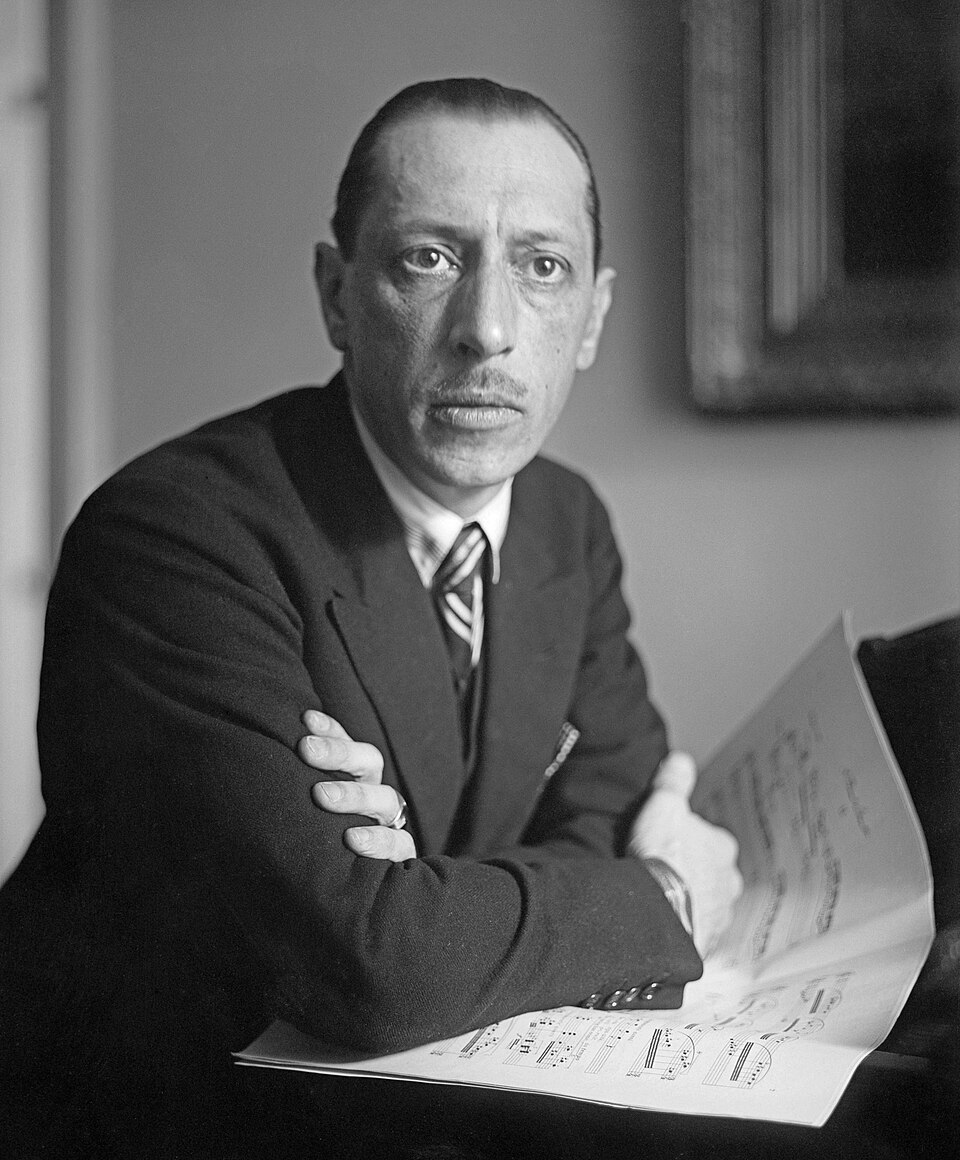
Gateway piece of music: Rhapsody in Blue by George Gershwin


