

Celebrating Indigenous Composers for Native American Heritage Month
This Native American Heritage Month, we at All Classical Radio want to celebrate the works of five Indigenous American composers and performers, past and present. These individuals have and continue to make significant contributions to the world of classical music, drawing on rich cultural backgrounds and histories. We encourage you to explore the vast world of Native American music beyond those discussed below and immerse yourself in the fantastic musical works created by this continent’s Indigenous peoples.
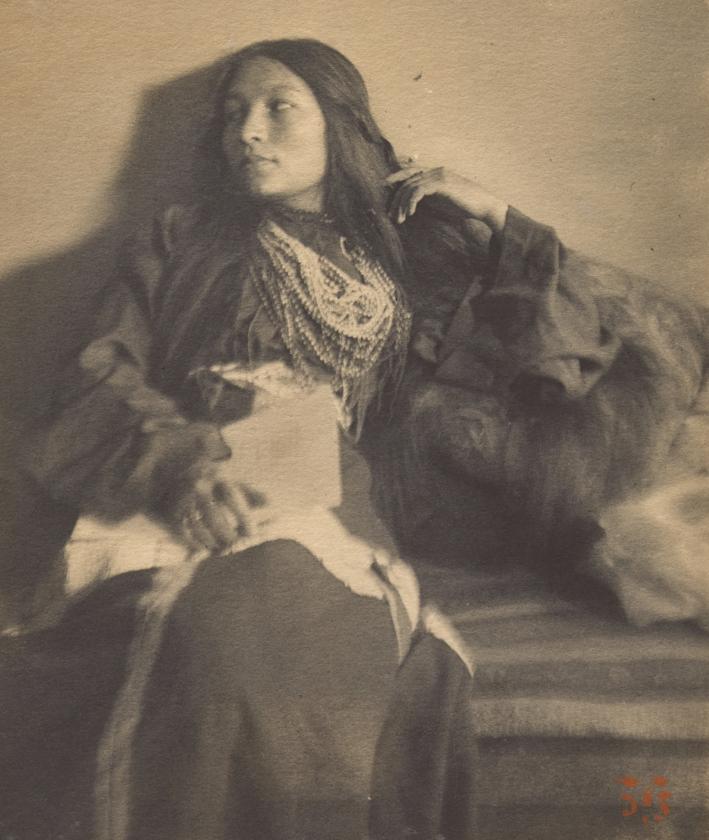
Zitkála-Šá (1876-1938)
A prominent activist for Native American rights and women’s suffrage, as well as an accomplished writer, teacher, and scholar, Zitkála-Šá led a life marked by remarkable achievements in a variety of fields. The Yankton Dakota composer and concert violinist co-created the first Native American opera, The Sun Dance Opera, alongside William F. Hanson. Zitkála-Šá wrote the libretto, and together with Hanson, they co-composed the music. The opera was inspired by Wiwáŋyaŋg Wačípi, The Sun Dance, a sacred ceremony practiced by many Indigenous tribes across the Great Plains. The Sun Dance was one of many practices outlawed by the U.S. government in an attempt to erase Native American culture, which the opera directly resisted by including many banned traditional dances and songs performed by Indigenous members of the ensemble.
Sadly, no recordings of Zitkála-Šá’s compositions or The Sun Dance Opera survive, though manuscripts are held by Brigham Young University. Still, her contributions to the early development of Native American composition carried forward and continue to inspire to this day.
Raven Chacon (b. 1977)
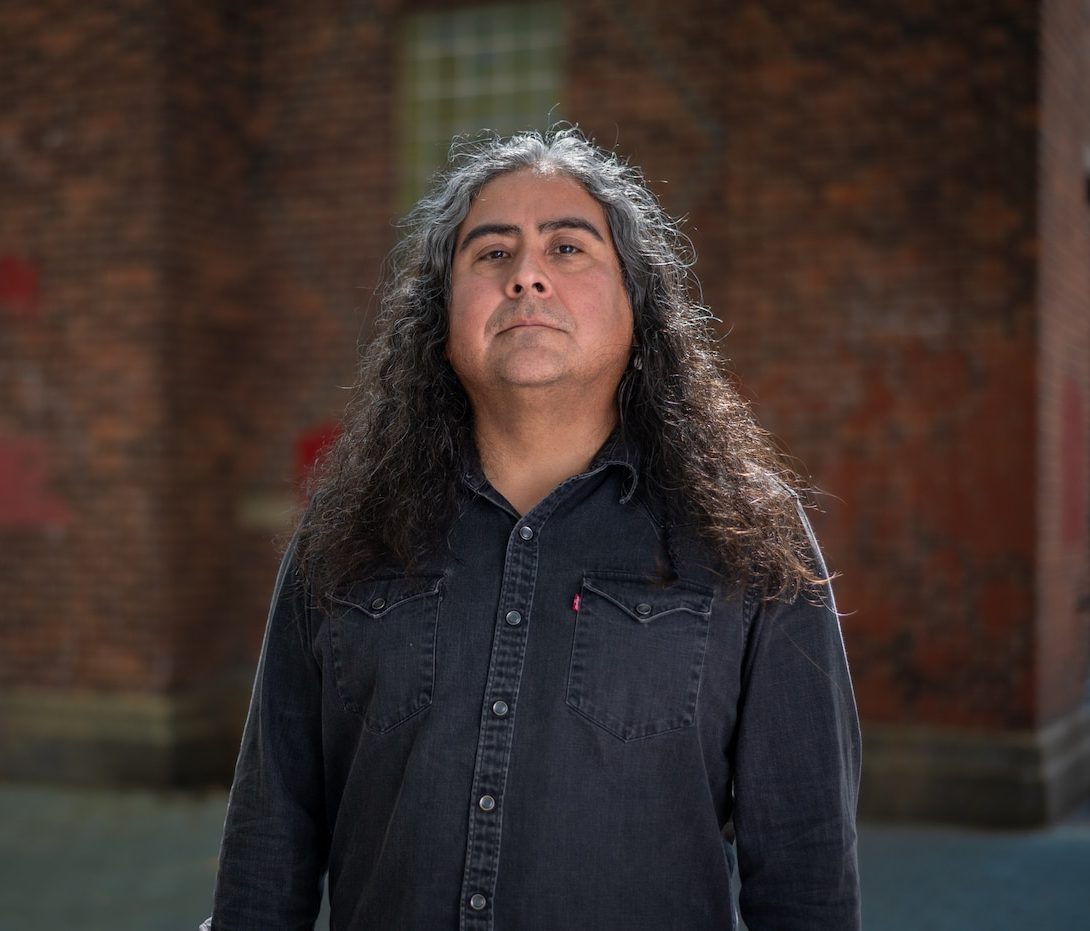
A Diné (Navajo) composer, performer, and artist, Raven Chacon has received extensive acclaim for his installations and compositions, winning the American Academy’s Berlin Prize for Music Composition and the MacArthur Fellowship. His works embody an experimental style, as shown through his unique compositional choices. One example is his Pulitzer Prize-winning Voiceless Mass, where, as the name suggests, the mass is performed without any choir. Chacon is a composer-in-residence with the Native American Composer Apprentice Project, where he has mentored over 300 Indigenous high schoolers in composing string quartets over the last 20 years.
In this World-Premiere recording of Chacon’s Voiceless Mass, you’ll hear his experimental, often dissonant style, which is seen throughout his work. When speaking about the piece, Chacon says, “This work considers the spaces in which we gather, the history of access of these spaces, and the land upon which these buildings sit… Voiceless Mass considers the futility of giving voice to the voiceless, when ceding space is never an option for those in power.”
Connor Chee (b. 1987)
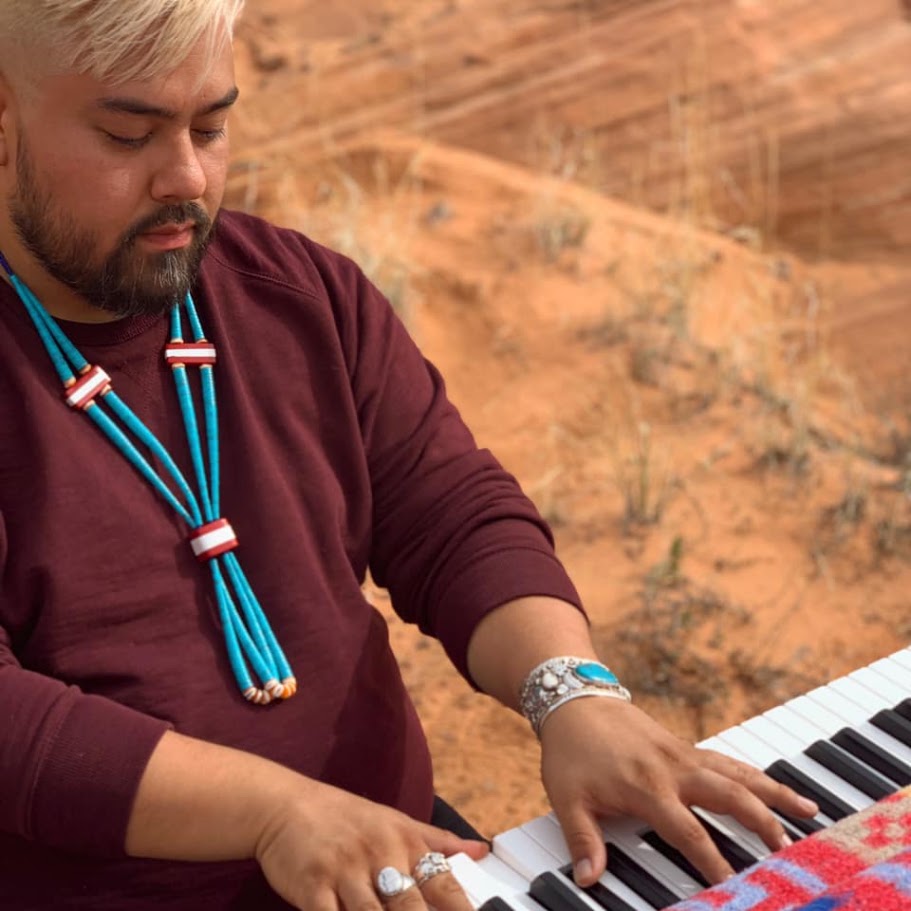
Connor Chee is a pianist and composer whose five studio albums contain not only original works inspired by Diné stories and beliefs, but also modern piano transcriptions of traditional songs and chants. He has won multiple international piano competitions and awards, including Best Instrumental Recording for his album The Navajo Piano at the Native American Music Awards. Drawing on aspects of Diné life and culture, Chee’s distinctive compositions were also featured in the first volume of The North American Indigenous Songbook alongside Raven Chacon and Timothy Archambault.
In this recording of “Sunrise” from his 2020 album Scenes from Dinétah, Chee’s piano is paired with the directorial work of Navajo filmmaker Michael Etcitty Jr.
Deantha Edmunds (b. 1972)
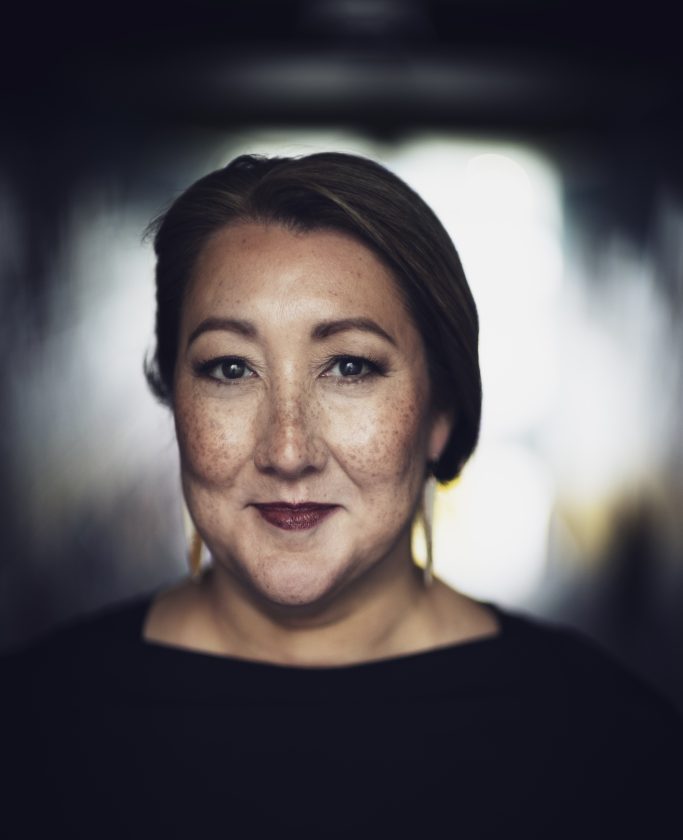
In addition to winning the 2025 JUNO Award for Classical Composition of the Year for her song cycle Angmalukisaa, Deantha Edmunds has received numerous other awards for her performances and compositions. Hailing from Newfoundland and Labrador, Edmunds is Canada’s first Inuk professional classical vocalist and is described as using “her voice to share about her journey as an artist and the issues that matter the most to her.”
In this recording of “Angmalukisaa: I. Rings 1,” you’ll hear Edmunds perform her own composition alongside the Newfoundland Symphony Orchestra Sinfonia, conducted by Mark Fewer. Speaking about the song cycle in a 2023 interview, Edmunds explains, “Angmalukisaa comes from a very personal place and will speak to how we relate to one another and our planet. I believe that our treatment of the land, the water and each other will reverberate throughout the universe for eons. We can all do more to care for ourselves, one another and our environment. We need our call to action to resonate, reverberate and rebound, a legacy left in honour of our descendants.”
Timothy Archambault (b. 1971)
A prolific flutist and composer, Timothy Archambault is of Kichesipirini Algonquin and Métis Nation descent. In addition to his own solo compositions, he has performed Native American flute alongside orchestras across the continent. Several of his flute recordings have also been archived by the Smithsonian National Museum of the American Indian for preservation. Archambault focuses on placing the traditions of the instrument and the way it is conventionally played in a new style, structuring pieces around the flute’s distinct warbling sound. He also continues to contribute to musical education, co-authoring the 2013 Encyclopedia of Native American Music of North America.
In this recording, you’ll hear “II” from Archambault’s 2021 album of Anishinaabeg chants adapted to solo flute, titled Chìsake.
Keep Learning
Check out more posts from the Arts Blog celebrating Indigenous artists:
Read other posts by Aidan Bartlett


