
Anthea Chronicles No. 7: Unstoppable
Unstoppable because we need to be better, because we’ve never done it before, because we are filled with such joy or desire that we must press forward.
I was driving from Portland to Eugene with my daughter, thinking about what I was going to say to the audience at the concert before playing the Piano Quintet that American composer Amy Beach wrote in 1907. Talking to my 14-year-old about women in the early 1900’s. Did she know women weren’t allowed to drive? That they had to ask male relatives for a ride, had to always be accompanied when leaving the house? Is this what life was like for composer and pianist Amy Beach as well? Could a woman of such accomplishment have pushed through daily societal oppression to forge her legendary path?
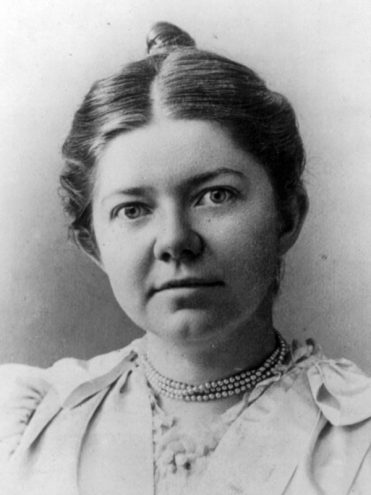
Amy Cheney Beach was an absolute mega genius. Could sing 40 songs at age 2, taught herself to read at 3, could spontaneously harmonize at 4. Her parents thought it unseemly to have her attend school, so she had some tutors at home but was mainly self-taught from books. She went on to be a formidable pianist and the first American female to publish a symphony. At 18, a suitable match was made with a 43-year-old doctor. At which point her name was changed from Amy Marcy Cheney to Mrs. H.H.A. Beach. Her husband didn’t allow her to perform in public (except for one or two charitable events per year), stopped her from having any more tutors, she was no longer allowed to teach. She was a wife now.
When her husband died (light applause please) 25 years later, she resurfaced. She changed her name to Amy Beach, travelled Europe with a woman for a year, and began to perform in public again, on some of the most legendary stages of the world.
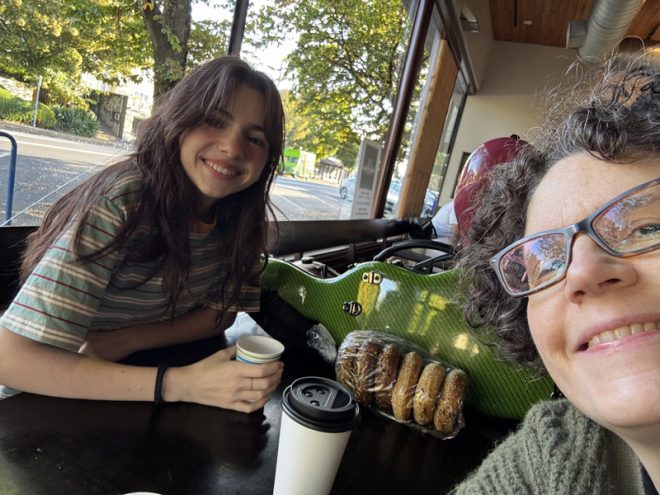
So, when my daughter typed into my phone, while slurping an iced chai, “Did Amy Beach drive a car?” the answer was no, she didn’t drive a car.
But Amy Beach said that performing on stage made her feel “like driving a powerful team of horses, fully in control, alive, and unstoppable.” On stage she was free, untouchable, her true self.
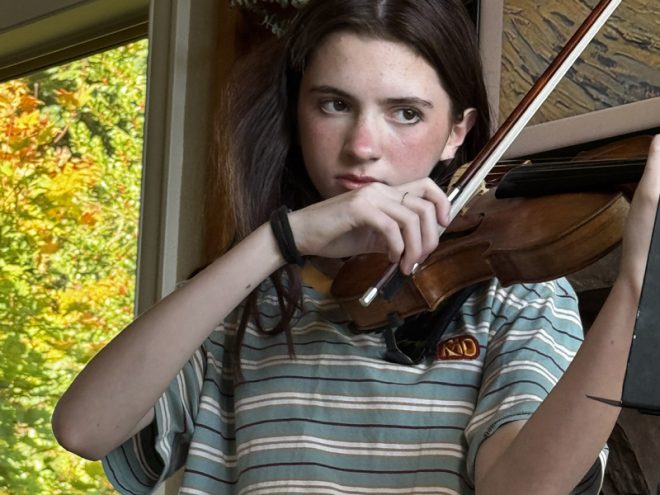
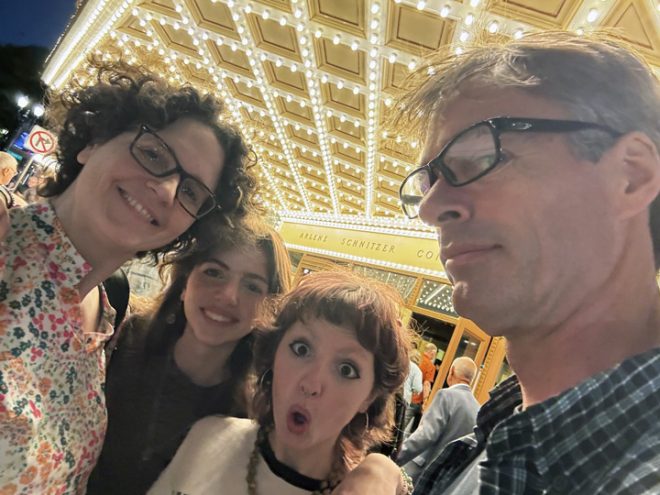
When we were playing her 1907 quintet on stage, I couldn’t help but feel that power pushing through the music. The power of a woman over a hundred years ago, fully realized despite living in a world that didn’t allow her to live fully. She was unstoppable, and as her melodies channeled through my fingers and spread into the audience, I dreamed that my own daughters would grow up and find their own unstoppable. Their own path-breaking passions and quests.

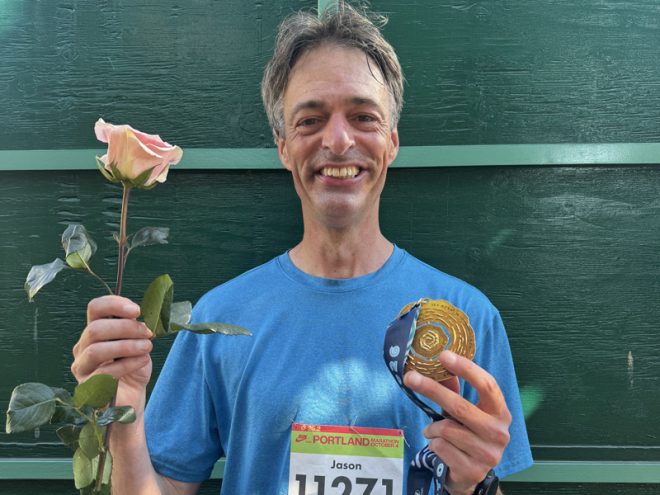
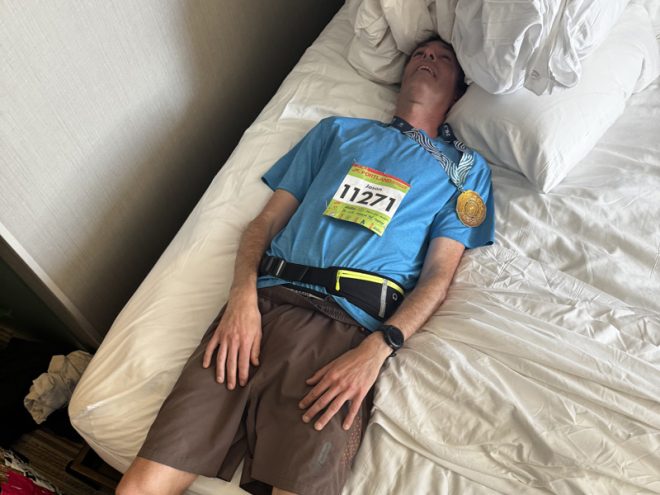
This week, my husband Jason ran the Portland marathon and qualified for Boston. He’s been chasing that elusive speed for 5 years, each marathon run faster. And yesterday, my daughter asked me to help her choose the best track for her All-State orchestra audition. She had been in the practice room for 3 hours, meticulously working on a 1-minute-long excerpt. I looked at the recording times on my phone. 20 recordings made over the course of an hour, last one at 10:33 PM. Each one a little better.
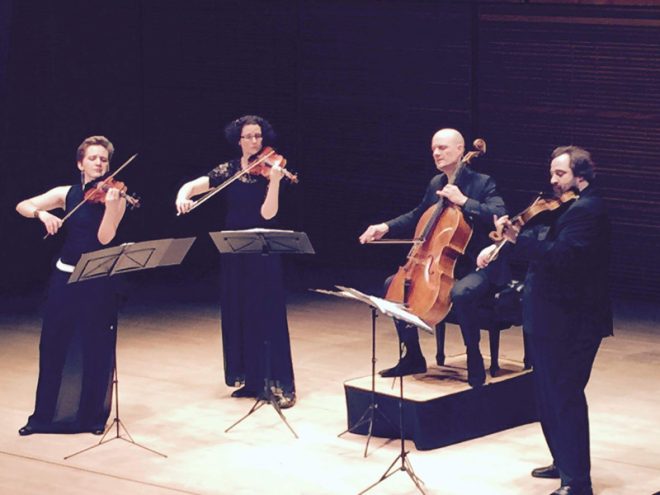
Editor’s note: From 2016-2019, Anthea was the only American violinist playing in a top-level European quartet. She was a member of the esteemed Artemis Quartet, based in Berlin.
Read other posts by Anthea Kreston