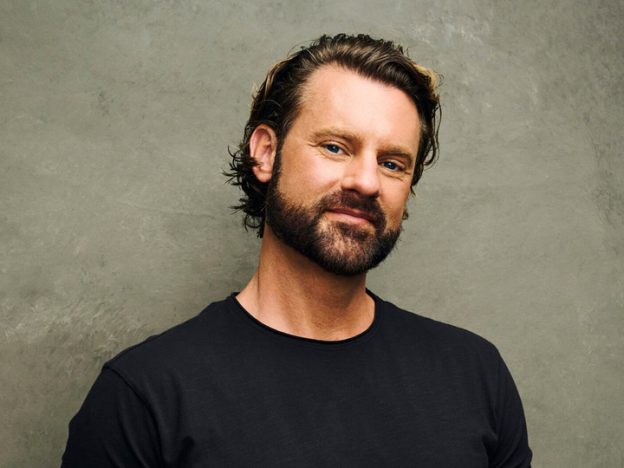
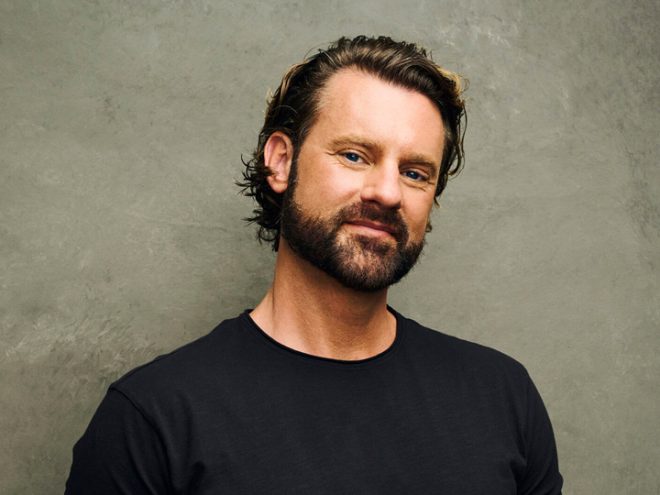
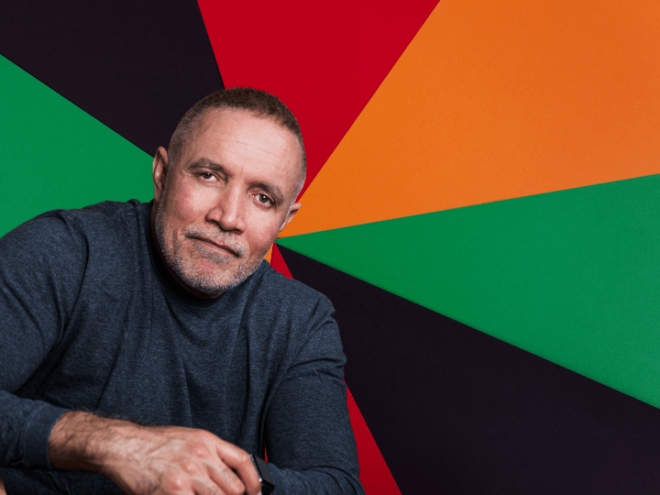
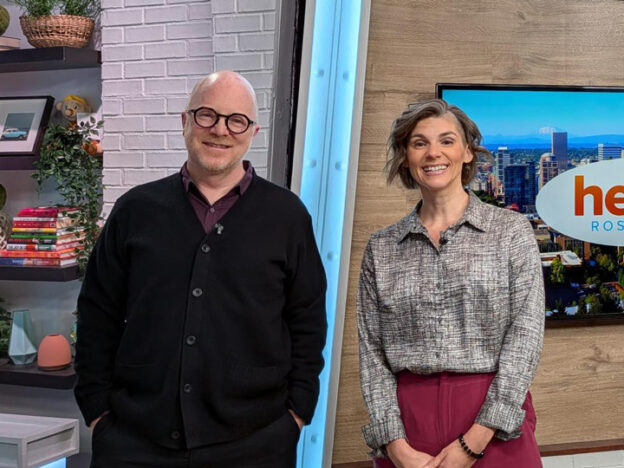
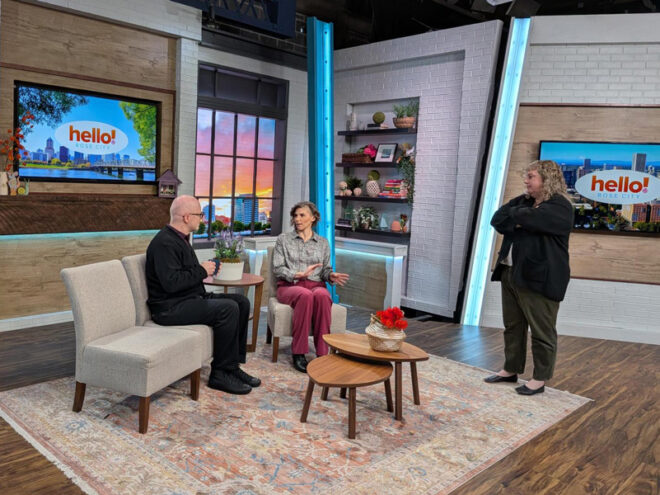
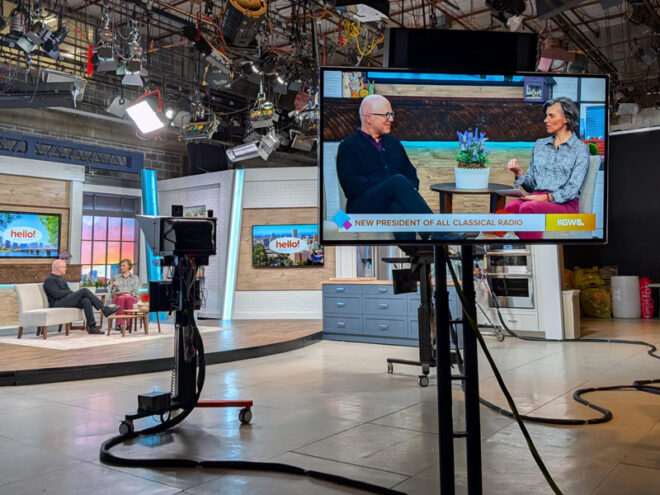
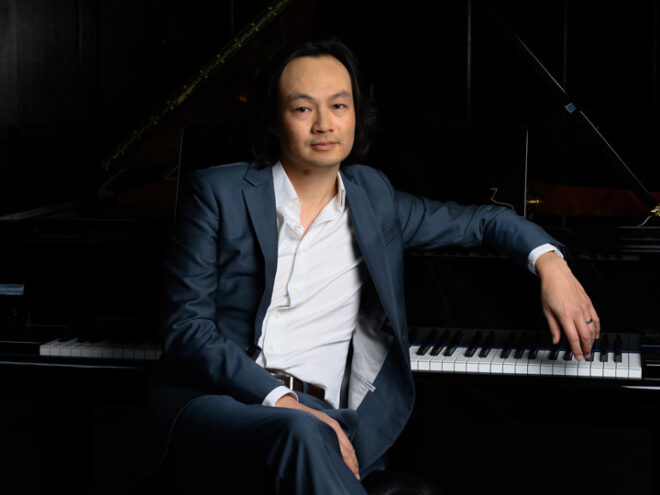
Randall Scotting, who hails from rural Colorado originally, is an internationally known singer of that very specialized and cultivated vocal range known as the countertenor. He’s already well established in the opera world, singing music which was originally written for the superstars of the Baroque, the castrati.
Scotting’s fourth and newest album is the result of years of research into one of history’s top castrati, Nicolini.
In this interview with All Classical’s John Pitman, Scotting uncovers the fascinating world of these unique singers and the dazzling, pyrotechnic and ultimately very moving, music that was tailor-made for them. Scotting brings Nicolini and his music to life in his new album, Divine Impresario.
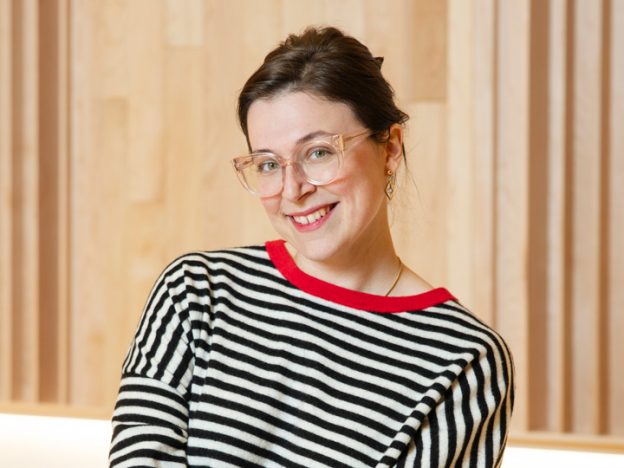
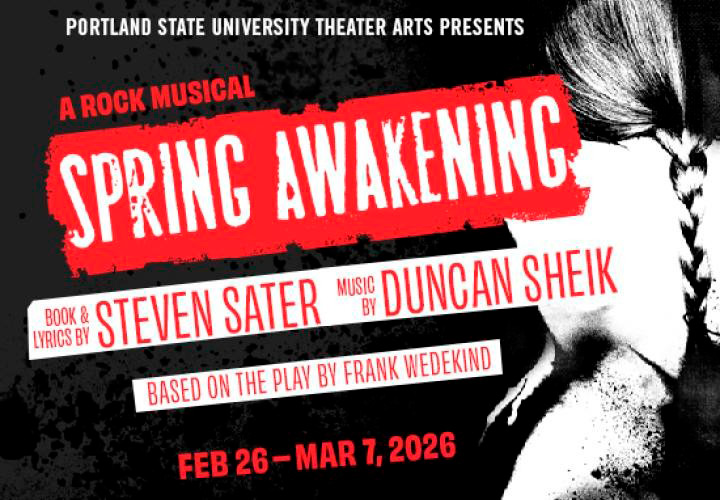
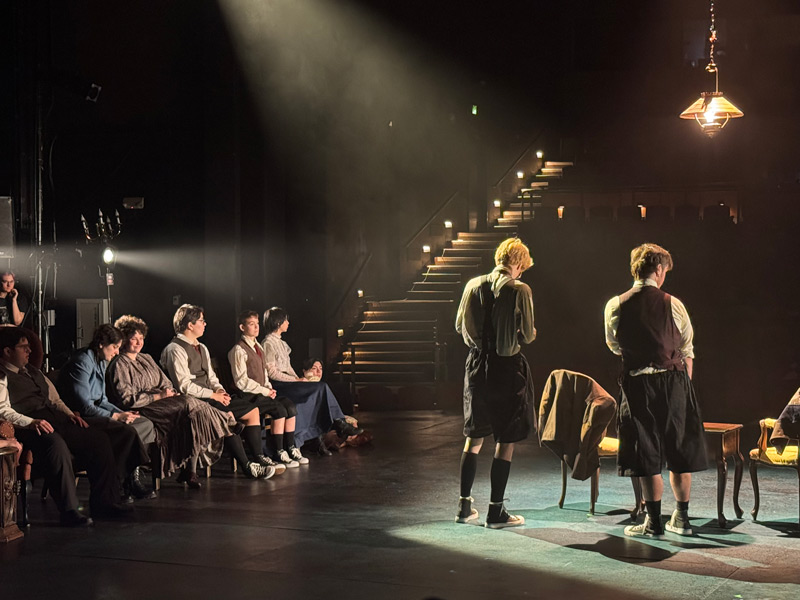
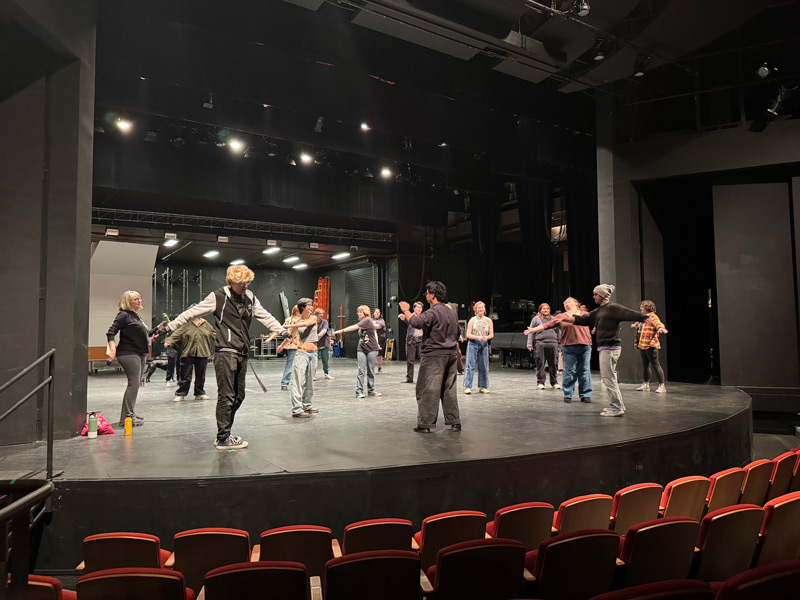
All Classical Radio host Lisa Lipton sat down to chat with Zach Galatis, flute section member, piccolo soloist with the Oregon Symphony, and Assistant Professor of Flute at Portland State University (PSU) to hear more about his role as music director behind PSU’s first ever full-scale musical production, Spring Awakening.
Best known in the region for his dynamic work as a performer and educator, Zach shares how he brings his deep musical insight to this Tony Award–winning rock musical that explores adolescence, identity, and the struggle to be heard. In their conversation below, we hear them dive into what makes this milestone production so meaningful for PSU’s School of Music & Theater and how the cast and creative team are bringing this bold, coming of age show to life.
Based on a play by Frank Wedekind, and directed by Theresa Robbins Dudeck, PSU’s production of Spring Awakening runs February 27 – March 7, 2026, at Lincoln Performance Hall. Tickets and more at pdx.edu.
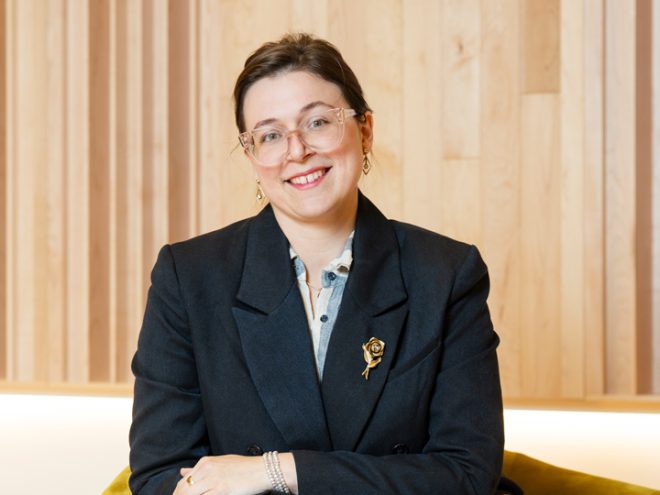
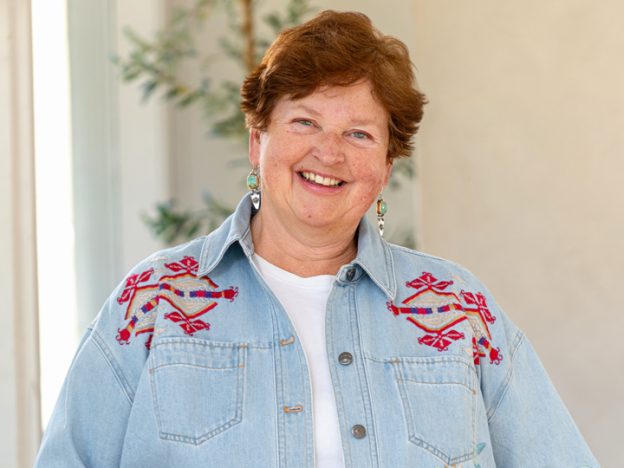
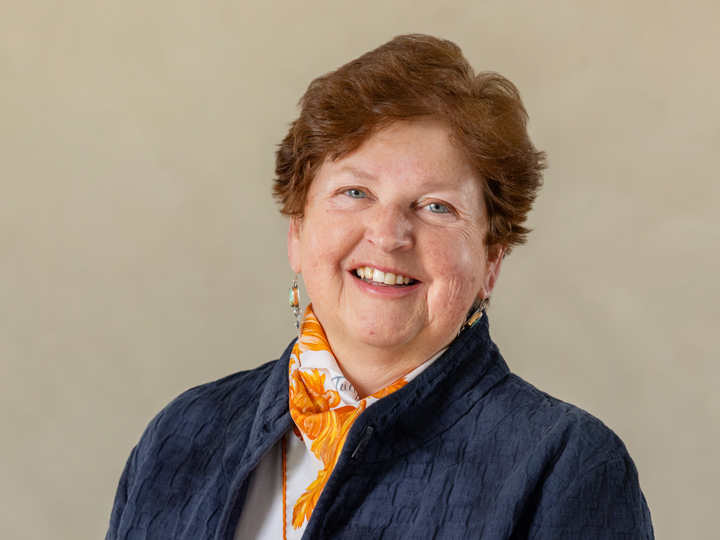
All Classical Radio is delighted to welcome Kate Remington to the On Air team, as the host of Sunday Brunch.
Tune in Sundays from 10:00 AM to 12:00 PM PT to enjoy delicious music with Kate from all around the world, or listen On Demand for a Sunday Brunch experience, any time of the week.
We asked Kate to tell us a bit more about herself, her musical experiences, and her inspirations as an on air host and music enthusiast.
Read on to get to know Kate Remington, and tune in Sundays at 10:00 AM for her weekly program Sunday Brunch.
Tell us about your first or most memorable concert.
Kate: I’m a huge Alfred Brendel fan and was lucky enough to attend many of his concerts, including one in Vienna with conductor Simon Rattle and the Vienna Philharmonic when they recorded Beethoven’s Piano Concertos 1 and 4. The collaboration between all of them was beyond incredible.
What is your go-to dish for a great breakfast/brunch with friends?
Kate: Not healthy in any way, but I’m a big fan of biscuits and gravy. They’re not a thing in New England, or Wisconsin where I grew up, so I’m making up for lost time now that I’m in Oregon.
How would you describe All Classical Radio’s Sunday Brunch?
Kate: The thing I love most is how Sunday Brunch can take you all over the world, and back and forth through time. Every week is an adventure!
Do you play an instrument?
Kate: Yes, I began studying piano when I was eight, and was a piano major in college. I was planning to be a conductor, but radio was much more fun.
You are a fan of video game music, what is it about this subgenre that speaks to you? Do you have a favorite video game/soundtrack?
Kate: Game music is very powerful. It can give you some extra confidence to do battle with a fierce enemy, or provide a meaningful context while you’re exploring an environment. One of the soundtracks I have on regular rotation is Jessica Curry’s So Let Us Melt. Its joyful choruses lift my spirits every time I listen to it.
If you were stranded on a desert island and could only bring the library of one composer, who’s catalogue would you bring with you?
Kate: It would have to be Beethoven. His music is so personal, and covers the whole range of human experience
Any advice for someone who is interested in listening to more classical music, but is not sure where to “start?”
Kate: It’s a deep ocean, to be sure! Honestly, I’d suggest listening to All Classical Radio because we present such a diverse range of music that spans centuries, and if one composer’s music isn’t doing it for you, there’ll be something else coming along that you’ll probably love. And you can find out all the details of performers and titles on the playlists on our website, and find more music by the composers you’re interested in.
Welcome Kate!
She’ll save you a seat at the Sunday Brunch table, every Sunday from 10:00 AM to 12:00 PM PT on All Classical Radio.
Or stream past episodes On Demand for two weeks following each broadcast.
Let your heart crescendo with All Classical Radio for a very special radio program. Join hosts Coty Raven Morris and Edmund Stone for our heartfelt gift to you: LOVE STORY. Listen on demand now through February 26, 2026.
From sweeping symphonies to tender overtures, every note tells a story of love worth tuning in for. This special program is filled with harmony, passion, and some of classical music’s greatest romances, and it’s all made possible by your support. Thank you for keeping love in the airwaves on All Classical Radio.
Read on for a closer look at some of the tales you will hear on LOVE STORY.
Robert Schumann & Clara Wieck
Robert and Clara first met 13 years before their marriage. When Clara was just 8 years old—and already a virtuoso on the piano herself—the teenaged Robert began taking piano lessons with Clara’s father. Over the next several years, the two musicians grew to know each other well. In time, friendship turned into love. Robert and Clara’s courtship was long and not without challenges. Clara’s father vehemently opposed the match, and only after suing him were they finally able to make things official.
As a wedding gift, Robert compiled 26 songs into a collection called “Myrtles,” named after the herb associated with the Ancient Greek goddess, Aphrodite. Myrtle was also traditionally included in German bridal bouquets.
Ludwig van Beethoven & his “Immortal Beloved”
During the summer of 1812, Ludwig van Beethoven penned a letter that would unleash decades, if not centuries, of debate. The letter’s recipient was notably referred to as “Immortal Beloved,” though no actual name was ever used. The document was never sent and only discovered after the composer’s death. We may never know who Beethoven intended to bestow such sweet words, but the mystery around this romantic gesture is tantalizing…
Gustav Mahler & Alma Schindler
Did you know that Gustav Mahler was not only a composer of massive symphonic works but also a hopeless romantic? The courtship of Mahler and the promising young composer and socialite, Alma Schindler, was quick and passionate. The two met at a dinner party, and Mahler was immediately infatuated with “the most beautiful woman in Vienna.” Within weeks of meeting, the couple was married in an intimate private ceremony.
Around the same time of the couple’s marriage, Mahler was working on his fifth symphony. The fourth movement, called “Adagietto,” may be one of the most romantic pieces of orchestral music ever written. No text accompanies this piece, yet it still contains an exquisite level of poetic expression. Gustav even sent Alma the score to this movement as a love letter, for what communicates affection more completely than music, especially for a composer?
Benjamin Britten & Peter Pears
Image source: Britten Pears Arts
The relationship between Benjamin Britten and Peter Pears is one for the ages. The two met through a mutual friend and remained together for nearly 40 years, until Britten’s death. While they could never publicly acknowledge their romantic relationship – they managed to build a rich and fulfilling life together. Letter writing was a regular form of communication. Britten and Pears left behind hundreds of handwritten documents as part of their romantic legacy. As a professional singer, Pears also became something of a muse for Britten and inspired many of the composer’s best-known works.
Leoš Janáček & Kamila Stösslová
Image source: The Arts Fuse
Leoš Janáček was 63 years old when we first met a 25-year-old woman named Kamila Stösslová. Janáček quickly became enamored with Kamila, obsessively writing to her on a regular basis and incorporating visions of her into his music. She was reportedly flattered by the composer’s affection. The problem, however, was that both Janáček and Stösslová were already married… to other people!
Kamila remained loyal to her husband, while remaining in touch with Leoš. He, on the other hand, would use his yearning for his unattainable love interest to fuel his writing. Over the next decade, Stösslová inspired some of his most famous pieces of music.
Thank you to CREO Chocolate
LOVE STORY and all of the handcrafted programming on All Classical Radio is made possible by listener support.
This special program is generously sponsored by CREO Chocolate. An award-winning small-batch chocolate factory and tasting room in the Lloyd district of Portland, Oregon, CREO Chocolate sources their beans directly from small farmers and craft with detailed attention to bring out interesting flavors. They offer high-quality products and tasting experiences.
Black History Month is a meaningful time to recognize the contributions of African Americans to this country and beyond, including our musical legacy. At All Classical Radio, we’re proud to share a diverse, ever-expanding selection of music by Black artists this month and all year round.
When you tune in this month, here are some of the ways we are celebrating Black musicians:
THURSDAYS @ THREE – On the January 29thlive broadcast, Portland Opera previewed their upcoming production of The Majesty of the Spiritual, an opera highlighting the history of the Spiritual and its influence on American musical genres of all types.
SUNDAY BRUNCH – On Sunday, February 1st, Kate Remington featured a full menu of music by Black composers and by composers influenced by Black and African culture.
ON AIR – On Monday, February 2nd, your favorite All Classical hosts presented music by Joseph Bologne, Valerie Coleman, Florence Price, William Grant Still, and more.
FRIDAY HAPPY HOUR – On Friday, February 6th, Warren Black and Christa Wessel hosted a fun-filled show featuring music by composer, pianist, and native Portlander Phil Moore.
THE SCORE – On February 28th, Edmund Stone presents an episode titled “Stars of Black Cinema,” including Michael B. Jordan in Sinners, Viola Davis in Ma Rainey’s Black Bottom, and more. Listen on demand at thescore.org.
As we celebrate Black History Month and the influence and achievements of Black voices in America, we’d love to highlight five extraordinary musical artists whose works you will hear on All Classical Radio.
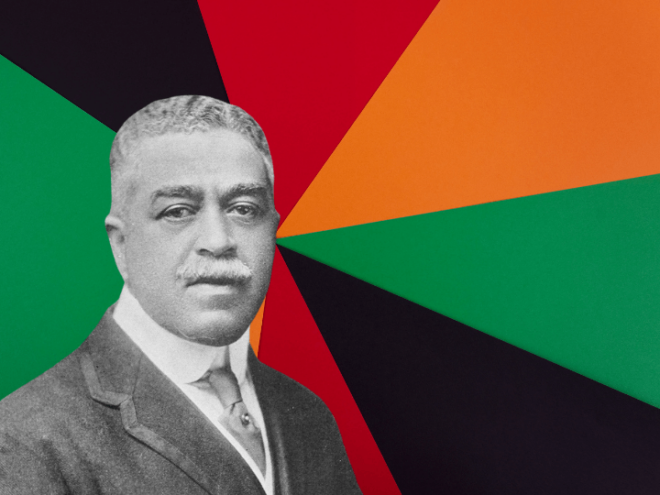
Harry T. Burleigh (1866-1949)
Harry Thacker Burleigh is often overlooked as a formative American composer; however, his influence on the works of those who knew him is immeasurable. Burleigh was born in Erie, Pennsylvania, and, through early exposure to music and his family’s lineage, he learned about African American spirituals. The melodies sung by his enslaved ancestors would become his most significant source of inspiration.
Burleigh received a scholarship to study at the National Conservatory of Music, where he became acquainted with Antonín Dvorák, the Conservatory’s director at the time. Dvorák was fascinated by Burleigh’s seemingly endless knowledge of spirituals and famously wrote themes based on these songs in his “New World” Symphony.
As a composer, Burleigh wrote hundreds of arrangements of spirituals, including “Deep River,” in addition to original songs. His works have forever enriched American classical music and have lifted the spiritual from its horrific past into the light of the concert hall.
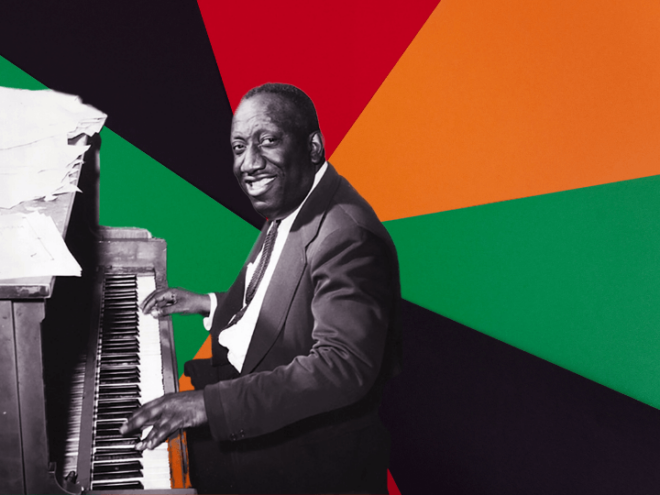
James P. Johnson (1894-1955)
James P. Johnson spent much of his childhood in New Brunswick, New Jersey, where he learned the piano and absorbed the musical influences around him. After his family moved to Manhattan’s San Juan Hill neighborhood when Johnson was a teenager, the young musician began formal study and was exposed to everything from ragtime to Eurocentric classical music. He studied classical repertoire and compositional techniques with Bruto Gianni, who also taught Scott Joplin.
By the 1920s, Johnson had become one of the most significant pianists in New York. He pioneered the Harlem Stride, an improvisational style of jazz piano involving the left hand “striding” large distances up and down the keyboard, made famous in works such as “Caroline Shout” and “Charleston.”
Throughout his career, Johnson constantly sought out a wide variety of skilled musicians to learn from. He explored ways to redefine American classical music through his symphonies, concertos, and other large-scale works.
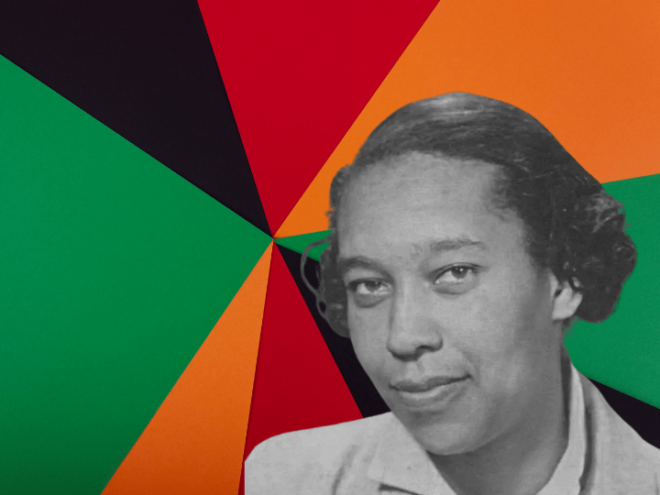
Julia Perry (1924-1979)
Born in Lexington, Kentucky, Julia Perry studied violin, piano, and singing from an early age. She went on to earn both her Bachelor’s and Master’s Degrees from Westminster Choir College. As an emerging composer and conductor, Perry sought additional training in Europe from Luigi Dallapiccola and Nadia Boulanger.
Early on in her career, Perry was heavily influenced by her Western classical education while still drawing on African American influences, including Spirituals and the blues. However, as the climate around race shifted in the late 1950s and early 1960s, her works became more outwardly expressive of her own experience as a Black woman. She also became bolder in calling out injustices she witnessed.
At 46 years old, Perry suffered a debilitating stroke that paralyzed her right side and made her unable to speak. She taught herself to write with her left hand so she could keep composing. Perry was an incredibly prolific composer; however, much of her work was lost after her death or has yet to be published. Additionally, many of her post-stroke manuscripts have left her advocates unable to read her writing confidently.
Michael Abels (b. 1962)
Michael Abels is a Pulitzer Prize-winning composer known for reworking classical styles by adapting popular mediums. Abels grew up in South Dakota and took piano lessons from a young age. After studying at the University of Southern California and the California Institute for the Arts, Abels established himself as a leading composer of orchestral music.
Abels is best known for his film scores, including the Oscar-winning Get Out, as well as the Pulitzer Prize-winning opera Omar, based on the life of Omar Ibn Said, which he co-composed with Rhiannon Giddens.
In addition to his ever-growing body of work, Abels is the co-founder of the Composers Diversity Collective, an advocacy group that increases the visibility of composers of color in film, gaming, and streaming media.
Jasmine Barnes (b. 1991)
Emmy Award-winning composer and vocalist Jasmine Barnes grew up in Baltimore, where she had access to a wide range of arts programs for young people—something she cites as essential to her ability to pursue a career in music. She has since exploded onto the classical music scene. Barnes’ music is performed worldwide, and she has collaborated with many extraordinary artists, including Lawrence Brownlee, Will Liverman, and Joshua Conyers.
As a composer, Barnes specializes in vocal music, with five operas (currently) under her belt, as well as choral works, chamber music, and art songs. In 2023, she received a Capital Emmy Award for the PBS documentary “Dreamer,” which featured her career and music.
Barnes was one of All Classical Radio’s 2021 Composers in Residence. Her work, Taking Names, was featured on the station’s inaugural album, Amplify, as part of the Recording Inclusivity Initiative. In addition to All Classical, Barnes has held residencies at Opera Theatre of Saint Louis, American Lyric Theater, and Chautauqua Opera.
Keep Learning
Check out these posts from the Arts Blog highlighting the lives of Black musical artists:
Photo credit: Rachel Alexander for the Salem Reporter
Salem Reporter by Rachel Alexander
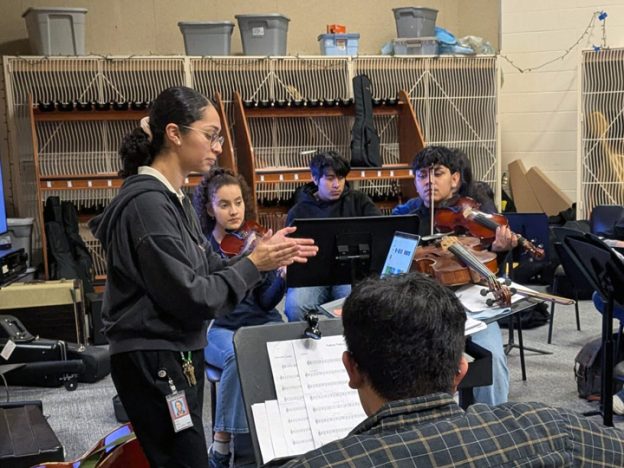
Former All Classical Radio intern Cindy Flores was featured in the Salem Reporter for her work leading McKay High School’s innovative mariachi music program. Way to go, Cindy! 👏
Flores is the first music teacher in the Salem-Keizer School District dedicated full-time to mariachi and other Mexican music traditions. Her work is split across three schools in northeast Salem, with mornings at McKay and afternoons at Waldo and Stephens middle schools. She teaches about 40 middle school students.
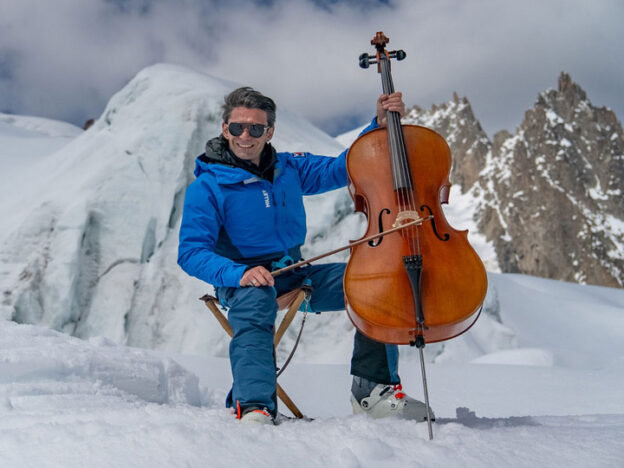
Cellist Gautier Capuçon, photographed by M. Bertrand Delapierre. Courtesy of artist’s website.
French classical cellist Gautier Capuçon and his instrument becomes the voice of the Earth in an inspired new album of world premiere recordings in Gaïa. Uniting seventeen original contributions by sixteen contemporary composers, his new project sets out to explore humanity’s relationship to nature through a multifaceted lens, drawing from different musical genres, aesthetics, and cultural influences as well as the formidable contrasts of the natural world.
Taking its name from the Greek goddess of the Earth and Mother of all life, Gaïa showcases diverse new works by artists you hear on All Classical Radio regularly, such as Max Richter, Ludovico Einaudi, and Joe Hisaishi – as well as emerging talents: Armand Amar, Jasmine Barnes, Olivia Belli, Quenton Blache, Michael Canitrot, JB Dunckel, Missy Mazzoli, Gabriela Montero, Nico Muhly, Xavier Foley, and Ayanna Witter-Johnson.
All Classical Radio’s Director of Music & Programming, John Pitman, recently spoke with Capuçon about the cellist’s passion for music, concern for the earth in the age of climate change, and a love of doing “crazy things,” such as climbing the French Alps near where he grew up. Hear their conversation below, and keep an ear out for the unique sound of the sirens of the gendarmes (so you know he’s calling from Paris!).
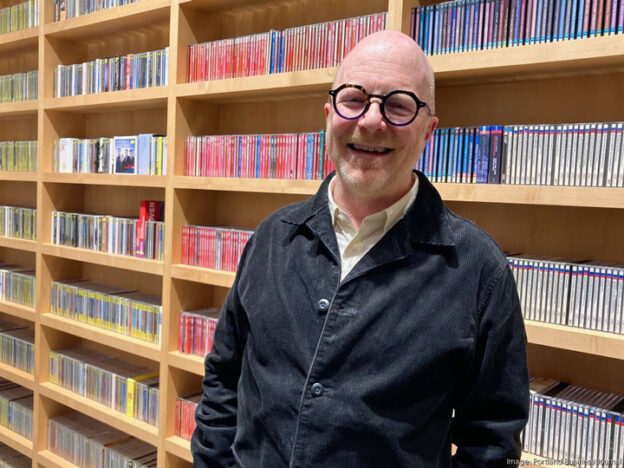
Fred Child, President & CEO of All Classical Radio, stands in front of a wall of CDs at the station’s headquarters in KOIN Tower.
After a classical radio career that took him to New York, Fred Child is back in his hometown as CEO of Portland’s All Classical Radio.
“I’m proud of the work I did as a national host and feel extraordinarily lucky to work with so many of my musical heroes on the national and global musical scene, and to bring those connections back to Portland feels fantastic. This is such a talented creative team already. I have the privilege of getting to focus on the big picture and creating an environment in which they can do their best work and serve the audience better and expand who that audience is. 2025 was a really interesting year for public broadcasting everywhere, and I want to help All Classical weather the storm and recommit to the core mission of sharing great classical music with as many people as possible.”
During rehearsals for his choral cycle The Lost Birds, Colorado-based choral group Kantorei collaborated with two-time GRAMMY-winning composer Christopher Tin on a new piece. The choir would later describe this new work as a celebration of “unbridled joy!”
American poet and lyricist Charles Anthony Silvestri worked closely with Tin and Kantorei on this project.
From these collaborations, the album Song Offerings was born.
All Classical Radio’s John Pitman recently had the pleasure of speaking with Tin about the inspiration behind the multi-movement cycle, how the sources – which range from Rabindranath Tagore to the New Testament and Ovid’s Metamorphosis – reflect ancient expressions of love, while at the same time giving voice to our fellow living humans.